
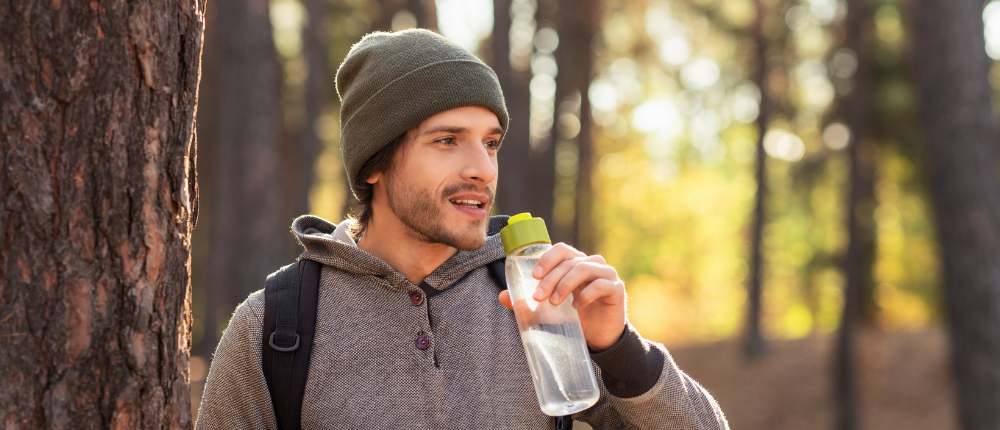
Stay Hydrated on the Trail: Why Water Quality Matters for Outdoor Adventurers
For anyone who enjoys hiking, camping, or exploring the outdoors, hydration is one of the most important aspects of staying healthy and performing well on the trail. Whether you’re tackling a multi-day trek, a weekend camping trip, or a simple day hike, the water you drink can directly affect your energy levels, endurance, and overall experience.
Yet many outdoor adventurers focus only on the quantity of water they carry, not the quality of that water. In reality, where your water comes from — and what’s in it — can make a significant difference.
Understanding water sources, filtration options, and the role of minerals and contaminants can help ensure every adventure stays both safe and enjoyable.
Why Hydration Is Critical for Outdoor Performance
When you’re active outdoors, your body loses water quickly through sweat and respiration. Dehydration can happen faster than many people expect, particularly in warm weather or at higher altitudes.
Even mild dehydration can lead to:
- Fatigue and reduced stamina
- Headaches and dizziness
- Poor concentration and navigation mistakes
- Muscle cramps and slower recovery
For hikers and campers, staying hydrated isn’t just about comfort — it’s essential for maintaining strength, alertness, and safety.
But hydration isn’t just about drinking more water. The quality of the water you consume matters just as much as the amount.
The Hidden Risks of Natural Water Sources
Outdoor enthusiasts often rely on natural water sources such as rivers, lakes, and mountain streams. While these sources may look pristine, they can contain invisible contaminants that pose health risks.
Common contaminants found in untreated water include:
- Bacteria such as E. coli
- Parasites like Giardia and Cryptosporidium
- Agricultural runoff
- Sediment and heavy metals
- Microplastics or environmental pollutants
Even in remote areas, wildlife and environmental factors can affect water quality. Drinking untreated water may lead to gastrointestinal illness, dehydration, and the unpleasant reality of cutting a trip short.
This is why reliable filtration and purification methods are so important when exploring the outdoors.
The Role of Minerals in Healthy Hydration
Another often overlooked factor in hydration is mineral balance.
Natural water sources vary greatly in their mineral content. While some minerals such as calcium and magnesium can be beneficial, others may affect taste, digestion, or overall water quality.
When water is poorly filtered or unbalanced, it may taste unpleasant or cause mild stomach discomfort — something no hiker wants while miles away from the nearest trailhead.
Clean, balanced drinking water supports:
- Proper muscle function
- Stable hydration levels
- Better physical endurance
- Improved recovery after long hikes
For serious outdoor enthusiasts, water quality becomes just as important as gear quality.
Smart Hydration Strategies for the Trail
Fortunately, staying hydrated in the wilderness doesn’t have to be complicated. A few smart strategies can dramatically reduce risk and improve your outdoor experience.
- Plan Your Water Sources
Before heading out, research available water sources along your route. Topographic maps and hiking apps often mark rivers, springs, or refill points.
Knowing where water is located helps you carry only what you need while avoiding unnecessary risk.
- Always Carry a Filtration System
Portable filtration systems are essential for outdoor adventures. Modern filters are lightweight, compact, and capable of removing bacteria and protozoa from natural water sources.
Common options include:
- Pump filters
- Gravity filters
- Straw-style filters
- Bottle-integrated filters
Each system has advantages depending on the length and style of your trip.
- Consider Mineral Balance
After filtration, some adventurers prefer water solutions that support balanced mineral content. Clean water that maintains proper mineral composition can improve taste and hydration effectiveness.
Because of this, many adventurers now prioritize clean, safe water and turn to trusted Waters Co Aus solutions to stay hydrated and healthy on every journey.
- Monitor Your Hydration
A simple rule of thumb: if you feel thirsty, you’re already slightly dehydrated.
Drink small amounts consistently rather than waiting until you’re extremely thirsty. Pay attention to early signs of dehydration such as fatigue or headaches.
- Adjust for Climate and Activity Level
Hot weather, altitude, and physical intensity all increase water needs. On longer hikes or multi-day treks, hydration planning should be as important as food and shelter preparation.
Hydration and Mental Clarity in the Wilderness
One benefit of proper hydration that’s often overlooked is its impact on mental performance.
Hiking and wilderness navigation require focus. From reading maps to identifying trail markers and monitoring weather conditions, clear thinking is essential.
Dehydration can impair concentration and decision-making — something that can quickly turn a simple hike into a stressful situation.
Maintaining clean, high-quality hydration helps keep your mind sharp so you can fully enjoy the adventure.
Sustainable Hydration for Modern Adventurers
Outdoor enthusiasts are also becoming more conscious of sustainability. Single-use plastic bottles and disposable gear create unnecessary waste in natural environments.
Many hikers now prefer long-term hydration systems that are:
- Reusable
- Durable
- Environmentally responsible
- Designed for consistent water quality
Combining filtration with high-quality hydration systems reduces environmental impact while supporting healthier outdoor habits.
The Bottom Line: Water Quality Shapes the Adventure
When planning an outdoor trip, most people focus on backpacks, footwear, and navigation gear. But one of the most critical pieces of equipment is often the simplest: clean drinking water.
Proper hydration supports stamina, focus, and overall wellbeing during outdoor activities. Just as importantly, reliable water filtration and balanced mineral content help protect adventurers from avoidable health risks.
Whether you’re hiking a scenic day trail, camping deep in the wilderness, or exploring remote landscapes, clean water ensures your adventure remains safe, energizing, and memorable.
Because on the trail, the difference between a great journey and a difficult one can sometimes come down to something as simple — and essential — as the water you drink.
******
Iva Djordjevic