Drone Photography Challenges You Can Try On Your Next Trip
If you’ve been flying for a while and want to level up your drone photography game, setting yourself creative challenges is a great way to grow. These aren’t just for pro photographers either — they’re fun, motivating, and help sharpen your skills every time you fly.
Below are 10 unique drone photo challenges that will push your composition, lighting, storytelling, and flying technique. Whether you’re hitting the coast, heading into the bush, or exploring a new city, there’s a challenge here to try.
Ready to test your skills? Let’s dive in.
1. The Perfect Top-Down Shot Challenge
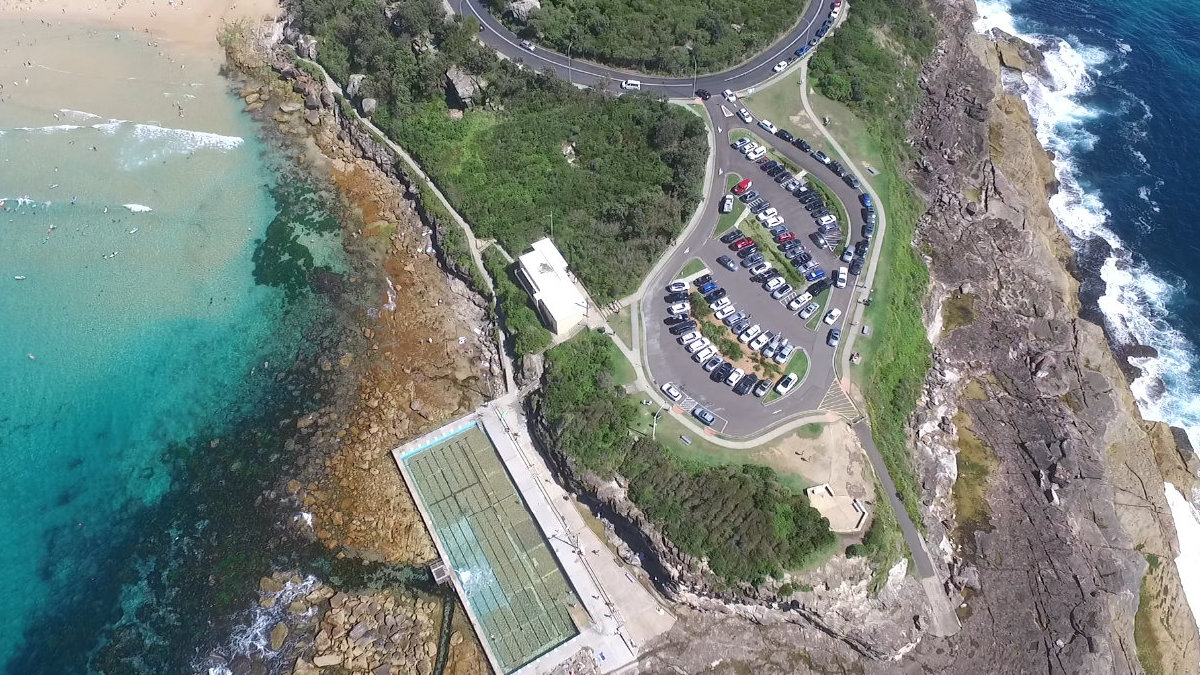
One of the most iconic drone angles is the classic top-down, or “bird’s eye view.” But getting the perfect one is trickier than it looks. You need good light, an interesting subject, and perfectly level positioning.
Look for locations with natural or manmade patterns: think swimming pools, tiled rooftops, jetties, or curved paths. The contrast between a structured environment and natural elements can make your top-down shot even more striking.
Pro tip: Make sure your gimbal is angled straight down, and avoid harsh midday sun — early morning or late afternoon gives better shadows and texture.
2. Shadow Play
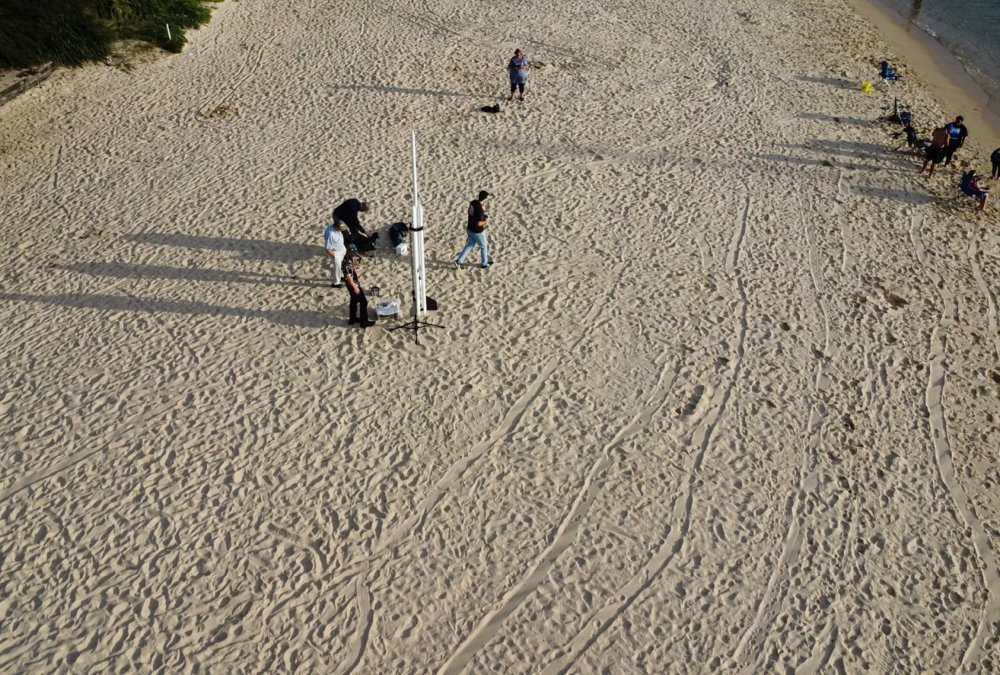
Shadows are your secret weapon. From above, they stretch, twist and reshape, turning even the simplest subject into abstract art. Whether it’s a cyclist, palm tree, or your own drone, shadows can become the main subject of your shot.
The best time for this is early morning or late afternoon when shadows are long and dramatic. Position your drone to capture both the subject and its shadow in the frame — this adds instant depth and story to your image.
Try it at open spaces like Narrabeen Beach or a sports field where the shadows fall uninterrupted. Bonus points if you catch the shadow doing something fun — like a wave, a jump, or a mid-flight flip.
3. Follow That Line
Leading lines are one of the most powerful compositional techniques in photography — and drones let you find them everywhere. Roads, fences, rivers, train tracks, bridges, and shorelines naturally draw the viewer’s eye through a photo.
Challenge yourself to frame shots where lines start from one corner and pull the viewer into the scene. Try flying parallel to the line for a tracking shot, or position your drone so the line divides the frame with symmetry.
Great examples include coastal roads hugging the shoreline or long boardwalks stretching into the ocean. For bonus points, find contrasting elements like a cyclist or car following the line, adding motion and narrative to your photo.
4. Capture Movement
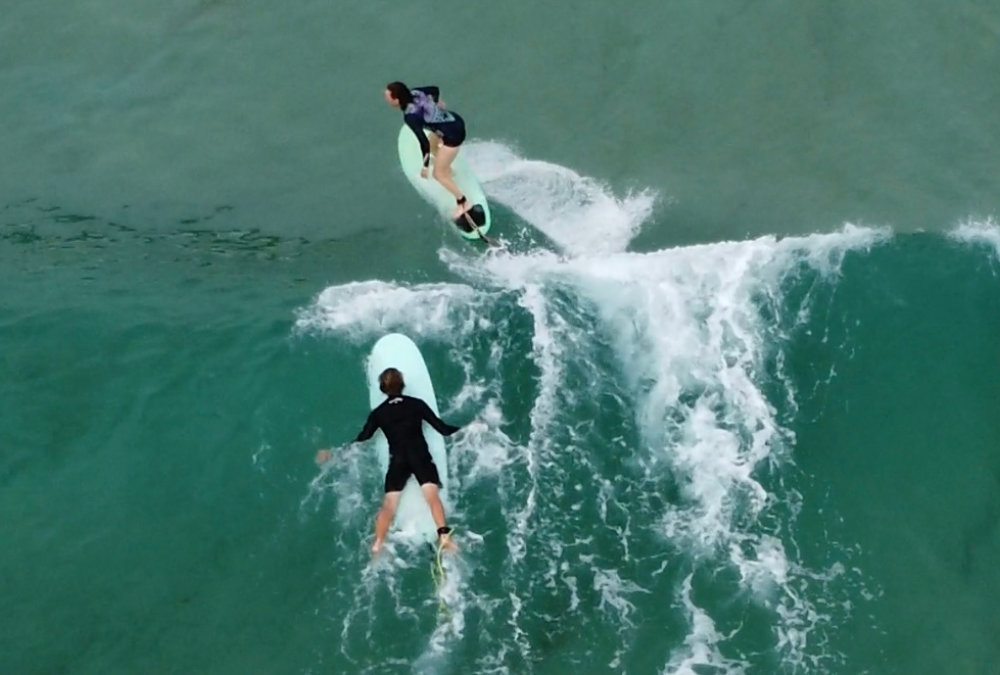
Still drone shots don’t have to feel static. Movement — whether from waves, people, animals, or vehicles — adds life. The challenge here is to anticipate that motion and frame it well from above.
Instead of randomly flying, observe for a few minutes: where are surfers paddling out? Where are people walking along a path? Once you’ve identified movement patterns, take a slow orbit or track along their direction.
If you’re shooting video, use intelligent flight modes like Follow Me, or manually fly alongside your subject at a steady pace. A moving shadow, drifting kite, or even a playful dog on the beach can turn a simple shot into something memorable. Practice at a location like Shelly Beach where there’s always activity in the surf and on the shore.
5. Fly Through Something
This one is for the bold. The goal? Fly through a natural or manmade opening to create a dramatic perspective shift. Think tree branches, overhangs, rock arches, or even gaps in ruins.
Safety is key. Use cinematic or tripod mode to slow down your drone and only attempt this in areas with no people or wind. Start with wide gaps to get a feel for your drone’s size and handling before progressing to tighter spaces.
A successful “fly through” shot gives viewers the feeling of being transported. It’s immersive and cinematic — the kind of footage that grabs attention. Just be prepared to hit the emergency brake (and bring spare props… just in case).
6. Golden Hour Glow-Up
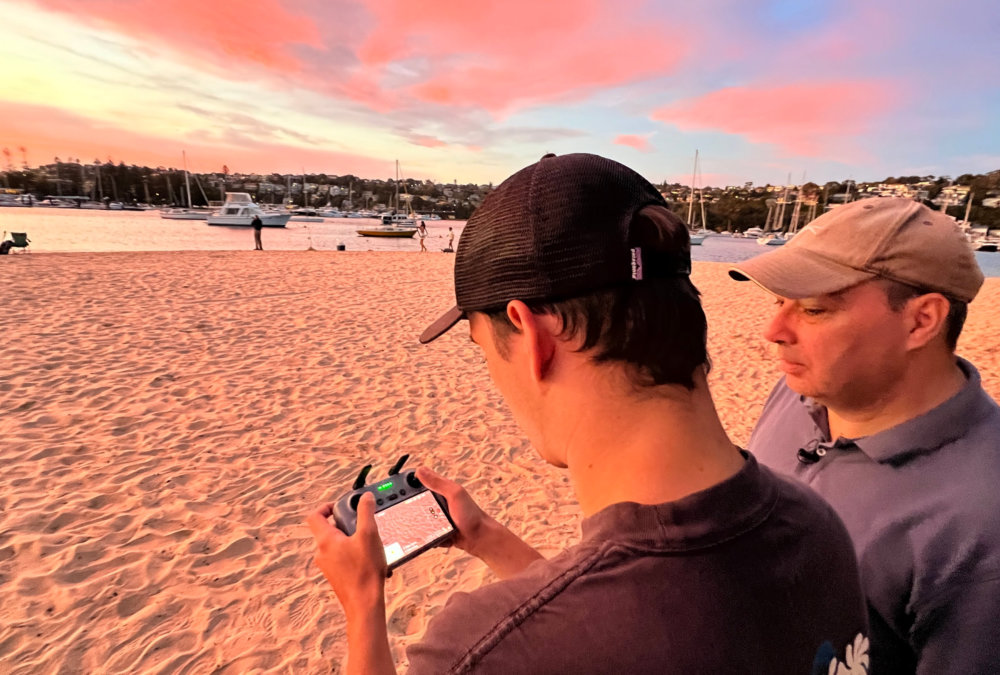
Shooting during golden hour — just after sunrise or before sunset — can transform your drone photos. The warm, directional light creates long shadows, highlights texture, and gives landscapes a magical feel.
Your challenge: fly the same location at different times of day and compare the results. Golden hour light works wonders for top-down shots, silhouettes, and side-lit scenery. Use it to capture tranquil moods, glowing reflections, or misty fields bathed in orange light.
Use exposure lock or manual settings to avoid your camera overcompensating. Fly low and frame for contrast — like light hitting the tops of trees while valleys remain in shadow. Beaches and forests are ideal for this. Try it out at Little Manly Beach where you can catch the sun rising or setting behind headlands.
7. Tell a Story in 3 Shots
This one’s about narrative. Choose a location and challenge yourself to tell a story using only three drone photos: a wide establishing shot, a medium shot, and a detail or close-up.
For example, at a coastal lookout, your wide might show the cliff and beach, the medium could frame waves crashing against rocks, and the detail might focus on a lone figure on the sand or even the textures in a rockpool.
This challenge helps you think like a visual storyteller. It’s also great for Instagram carousels, blog posts, or creating short photo essays. Bonus tip: shoot in the same lighting style or colour palette to keep visual cohesion.
8. Weather Mood Shots
Most people only fly in perfect weather. But some of the most dramatic images come when skies are brooding or moody. Clouds, fog, and even the edges of a storm can create cinematic atmosphere.
Always fly safely and never during lightning or heavy wind, but if conditions allow, head out before or after a storm. Low-hanging clouds over mountains, dramatic light breaks, or mist swirling over forests are perfect subjects for this challenge.
Adjust your white balance and exposure for drama. Try shooting in D-Cinelike or RAW if your drone supports it to capture more detail in the highlights and shadows. This is also where bracketing (AEB) can be helpful for HDR images.
9. Try a Manual Orbit
Many drones have QuickShots or automatic orbits, but there’s a skill in mastering a smooth manual orbit — flying in a circle around a subject while keeping it perfectly centered in the frame.
Start slow. Find a static subject (like a tree, rock, or structure), and practice combining sideways stick movement with yaw rotation. It might take a few tries, but when you get it right, it adds a cinematic edge to your videos and frames.
Once you’re confident, add layers of complexity — try orbits with altitude changes, or reverse orbits that slowly zoom out. Perfecting this move makes your drone footage stand out — it’s also a great transition between scenes.
10. Pick One Colour
Here’s a creative twist — limit your drone photo challenge to one dominant colour. Whether it’s green from forests, blue from ocean scenes, or golden browns in outback landscapes, commit to finding and capturing that hue.
This constraint forces you to see the world differently. Look for locations where one colour dominates: a canola field, a turquoise bay, or autumn leaves carpeting a park. Then find compositions that maximise that colour’s impact.
This is also a fun way to plan travel — pick a colour palette and explore destinations that fit it. Plus, colour-themed photo collections look amazing on your website or Instagram grid.
Ready for More?
These challenges aren’t just for fun — they’ll help you become a more thoughtful and skilled drone pilot. Each challenge improves your sense of composition, timing, and control.
Need more inspiration or want to explore incredible locations to practice? Check out the full collection of AdventureHQ Drone Guides and don’t miss our helpful reads like:
FAQs About Drone Challenges
What are some fun drone photography challenges for beginners?
If you’re just starting out with drone photography, a great way to build skills is by setting yourself creative challenges. Try capturing:
A perfect top-down shot over a patterned landscape like a car park, orchard, or surf break.
A shadow play shot during golden hour, showing long dramatic shadows.
A symmetrical structure like a pier or bridge from directly above.
These challenges teach you how to compose better shots, time your flights for ideal lighting, and use your drone’s camera creatively.
How can drone photography challenges help improve my flying skills?
Drone challenges force you to think ahead and fly with purpose. For example:
- Shooting a moving subject like a cyclist or paddleboarder sharpens your tracking skills.
- Capturing a cinematic fly-through builds confidence with tighter navigation.
- Planning a sunrise or sunset shot improves your weather and light-reading abilities.
These exercises are not just creative — they help you master flight control, camera settings, and post-production awareness.
What are the best locations to try drone photography challenges?
Look for locations that offer interesting patterns, movement, or symmetry:
- Beaches: Great for footprints, surf lines, and wide open spaces for flyovers.
- Piers or marinas: Ideal for top-down shots and repeating lines.
- Forests or farmland: Create natural texture and contrast.
- Mountains and cliffs: Perfect for depth and scale.
If you’re not sure where to fly legally, check out our Drone Guides and Where Can You Fly a Drone for more ideas.
What drone camera settings are best for photo challenges?
For creative drone photography, here are some ideal settings:
- Shoot in RAW for maximum editing flexibility.
- Use manual exposure to avoid sudden brightness changes.
- Set your shutter speed based on motion — slower for blur, faster for freeze.
- Enable grid lines to apply the rule of thirds when framing.
Also, recording in 4K or higher lets you extract sharp frame grabs later — useful for moments you miss in real-time.
Can I share my drone challenge photos online?
Absolutely! Drone challenges are perfect for building your online portfolio. You can:
- Post top-down or symmetry shots on Instagram Reels or TikTok.
- Turn frame grabs into thumbnails or YouTube covers.
- Build a gallery or blog on your website to showcase travel footage.
Just be sure to follow privacy laws and get permission if your photos feature recognisable people or private property.
 ***
***
Ivana Katz is a Sydney based website designer and travel blogger. Having her own business has given her the freedom to explore the world. She believes travel is the best teacher and her passion for adventure, writing and photography has taken her and her son to some amazing places, including Hawaii, Canada, Fiji, Greece and Czech Republic. Ivana’s favourite thing about travelling is learning, discovering hidden gems and creating memories. She loves nothing more than inspiring other women to chase their dreams and explore the world with their families and friends.