Best Types of Places for Beginner Drone Pilot to Practice (With Real-Life Examples)
Learning to fly a drone is one part excitement and one part careful skill-building. Before you film your dream beach reveal or cinematic mountain pass, you need somewhere to safely gain confidence — without trees, tight spaces, or the judgmental eyes of beachgoers. This article explores the best types of locations for new drone pilots to practise — and gives you specific examples to help plan your next flight.
1. Wide Open Parks and Sports Fields
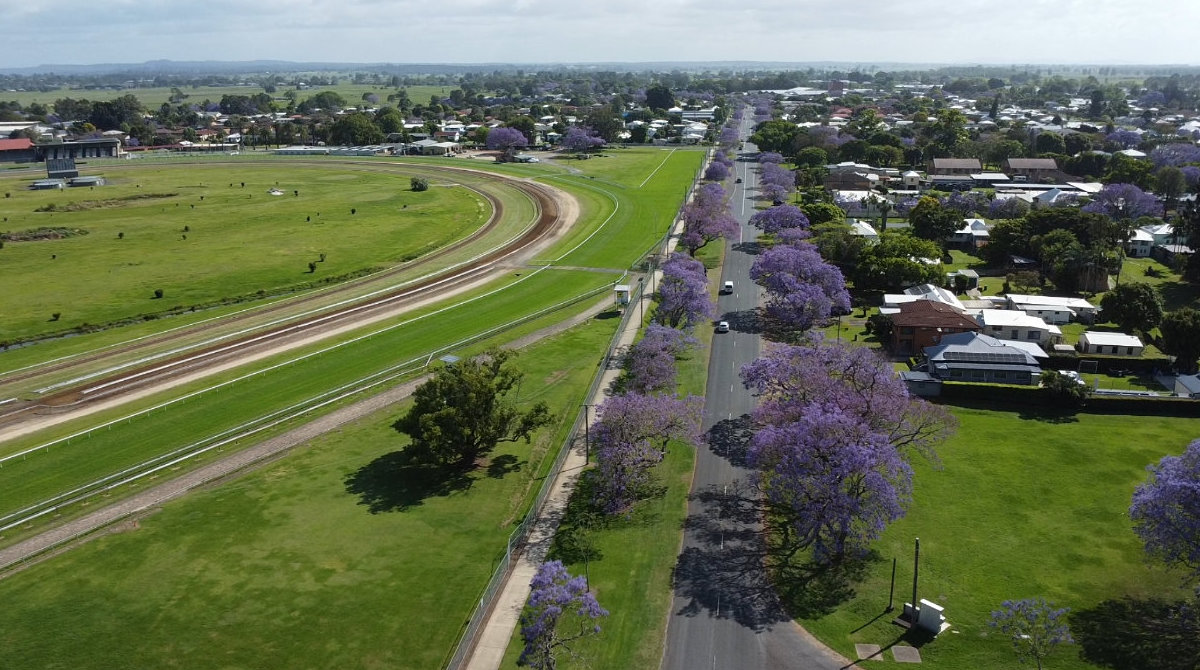
Nothing beats an empty footy field when you’re trying to get your bearings as a new drone pilot. These areas provide flat ground, plenty of space, and minimal risk. You’ll have clear takeoff and landing zones, and room to test out basic movements like hovering, forward/backward flight, yaw turns, and return-to-home commands.
What to look for:
- Public parks or ovals without games in progress
- Early mornings or weekdays to avoid people and dogs
- Good mobile signal if you’re using GPS features
Example: North Narrabeen Reserve (NSW) — wide, flat, and often empty outside of weekend sports hours. A fantastic spot to learn the basics.
These locations help you practise important fundamentals like:
- Maintaining visual line of sight
- Getting used to orientation controls
- Testing return-to-home accuracy
2. Quiet Beaches with Low Foot Traffic
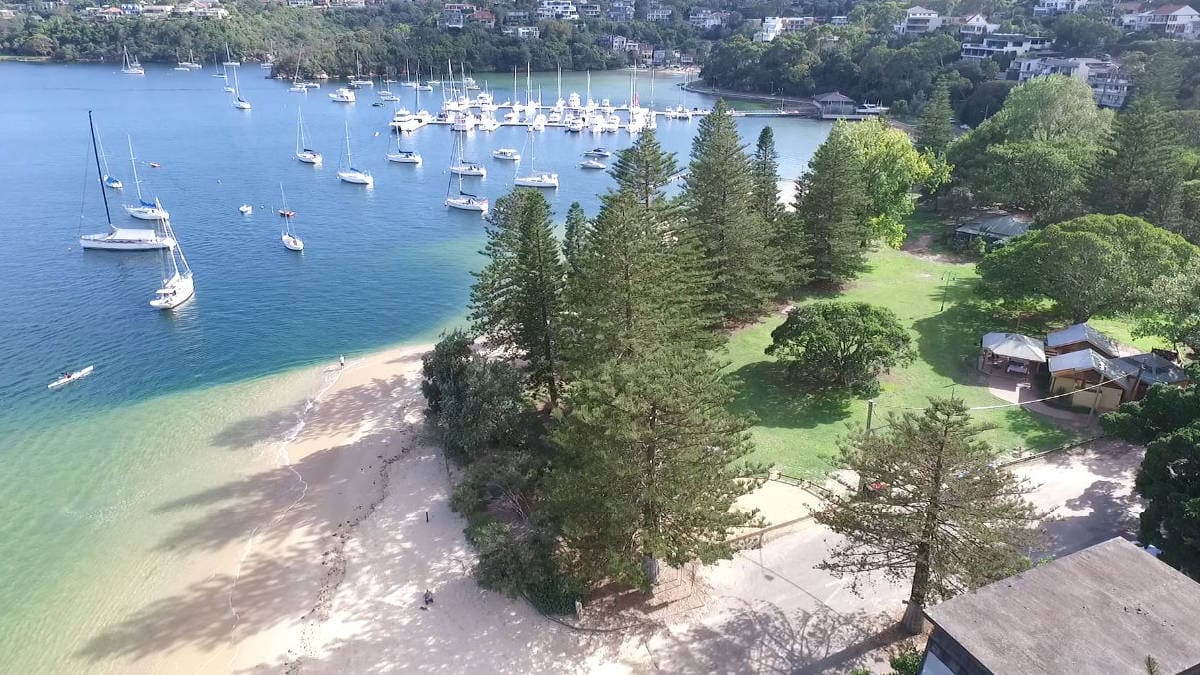
Beaches offer a unique combination of scenic flying and open space — but they come with added challenges like wind and water. Choose calm, wide beaches during off-peak hours. Morning flights on weekdays are ideal.
What to look for:
- Large open beach with a grassy or firm takeoff zone
- Little to no foot traffic
- Sheltered sections away from cliffs or high surf
Example: Clontarf Beach (NSW) — low waves, flat grass near the sand, and great light at sunrise. A perfect beginner-friendly beach for flying and practising camera control.
Practising here teaches you how to:
- Handle moderate wind conditions
- Fly over flat expanses with visual markers
- Use camera gimbal tilts for smooth reveals
3. Rural Fields and Private Farmland
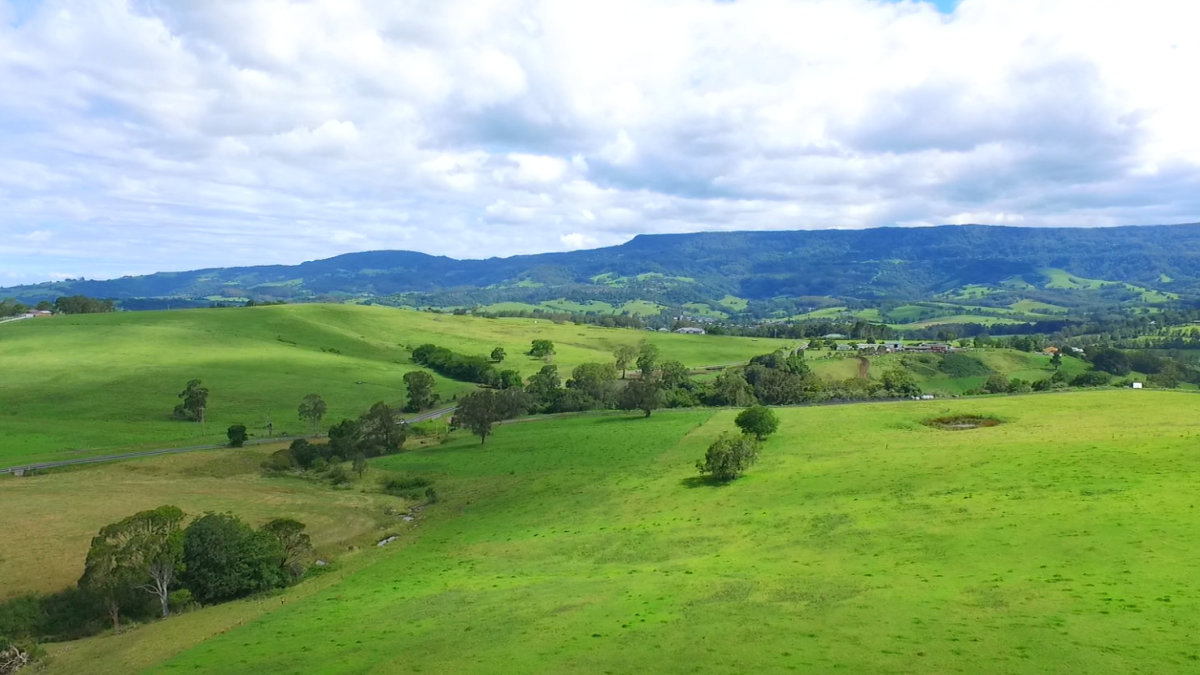
If you’re outside a major city, open country paddocks or empty rural fields are ideal. No Wi-Fi interference, very few obstacles, and the kind of quiet that lets you focus fully on your controls. Be sure to get permission if it’s private land.
What to look for:
- Flat terrain and clear skies
- Minimal trees, power lines, or livestock
- Space to test higher altitudes and longer range
Example: Southern Highlands open paddocks — great for range testing, long-distance camera panning, and low-pressure first flights.
4. Industrial Zones on Weekends
Industrial estates can be great practice areas when deserted. The open roads and structured layouts make for good flight path testing. Just make sure you’re not near active work zones or sensitive infrastructure.
What to look for:
- Empty carparks or business parks
- Lots of open sky and wide roads
- No pedestrians or traffic
Example: Warriewood Industrial Area — quiet on Sundays, with interesting architectural shapes and straight roads for manual control drills.
5. Coastal Headlands and Lookouts
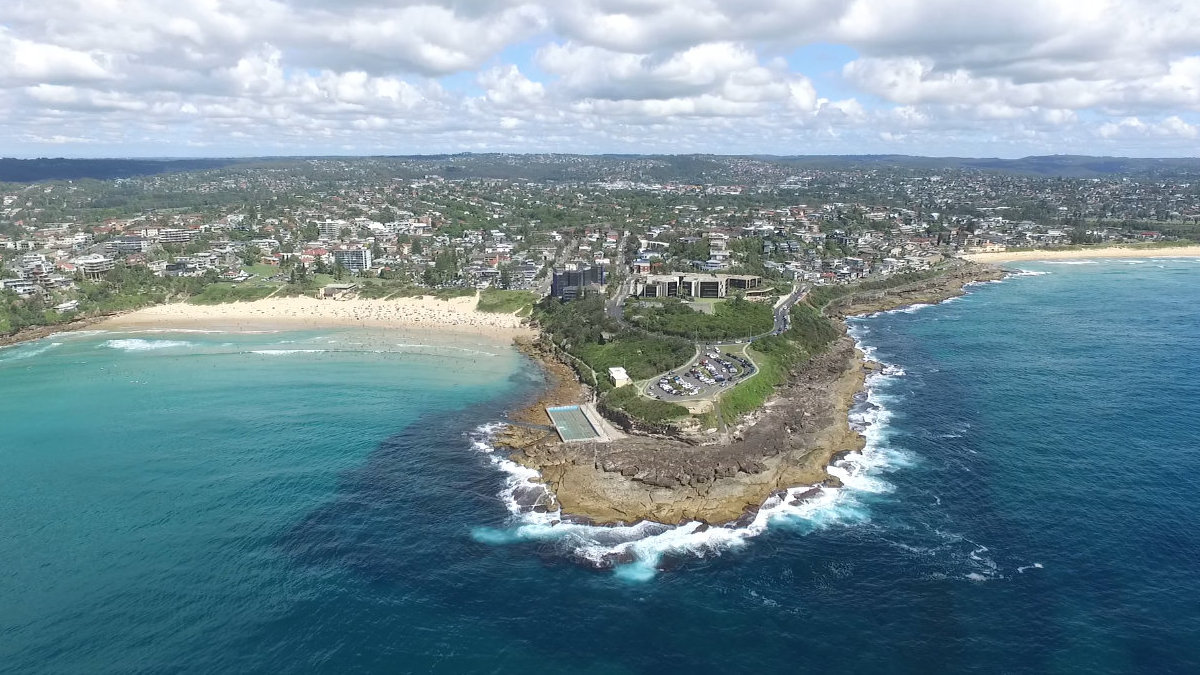
Once you’re more confident, headlands provide incredible views and smoother wind conditions than low-elevation beaches. These are ideal for learning cinematic tilts, horizon locking, and creative composition.
What to look for:
- High cliffs with grassy areas
- Room for safe takeoff away from the edge
- No birds nesting (magpies and sea eagles love to chase drones!)
Example: Long Reef Headland or Freshwater Beach Headland grassy launch zones with open views, great for practising orbit shots or slow pan reveals over water.
Ready to Level Up?
Once you’ve nailed your takeoffs, landings, and slow reveals, it’s time to get creative. If you’re looking for guided inspiration, tips, and the most scenic places to fly across NSW, check out:
Want to Know Exactly Where to Fly in Sydney?
If you’re tired of Googling “where can I fly my drone?” and just want clear, beginner-friendly advice — I’ve got you.
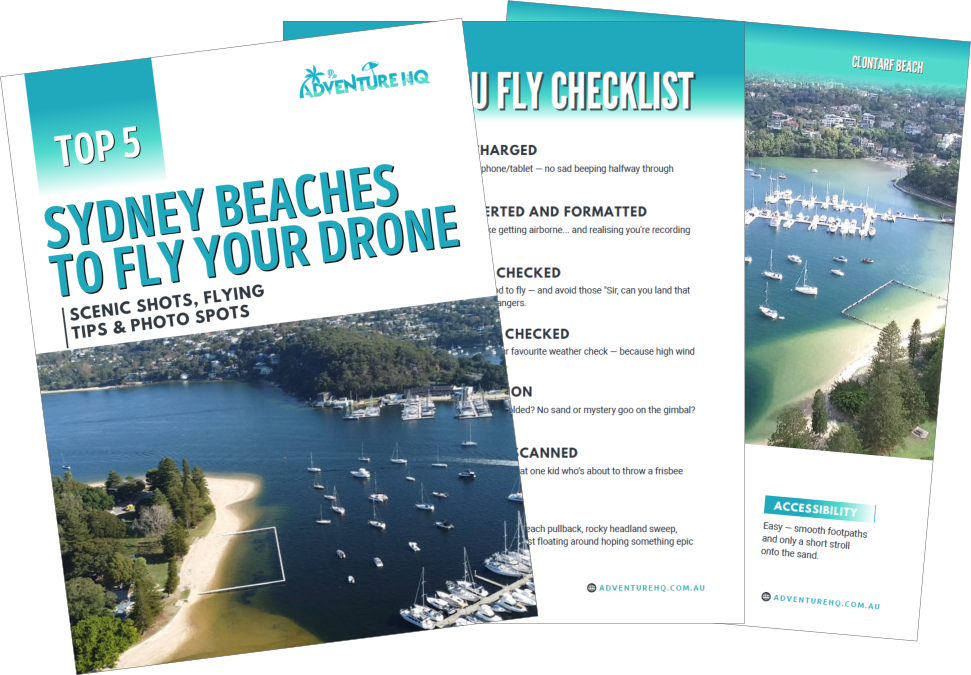
I created a printable Sydney Drone Beaches Guide that includes:
- 5 legal, beginner-approved beaches
- GPS pins for takeoff points
- Tips on when to fly and what to shoot
- Real drone photos and layout previews
It’s based on lived experience – not just a map.
FAQs About Places to Fly for Beginners
Where is the best place to fly a drone for the first time?
The best place for your first drone flight is a wide, open space like a quiet park, sports field, or empty beach early in the morning. Look for flat ground with no trees, power lines, or people around. This gives you room to practise basic controls like takeoff, landing, hovering, and slow flight without pressure.
Can I fly a drone at the beach in Australia?
Yes, but you must follow CASA drone rules. Avoid flying near people, respect no-fly zones, and check apps like OpenSky or Can I Fly There? before launching. For beginners, choose quieter beaches during off-peak hours. Look for ones with grassy or paved takeoff zones to avoid sand getting into the motors.
How do I practise flying my drone safely?
Start in manual mode (not auto fly) and practise simple moves: takeoff, hover, 360° rotation, side-to-side drift, and smooth landing. Always stay under 120 metres, keep visual line of sight, and avoid flying over people or animals. Having a spotter helps too.
Are rural areas good for beginner drone practice?
Yes, rural paddocks and farmland are great — especially with permission from the landowner. You get open skies, no interference, and little foot traffic. They’re perfect for long-range flying, slow pans, and building confidence without distractions.
What time of day is best for drone practice?
Early morning or late afternoon is ideal. Not only do you get beautiful lighting for any photos or videos, but parks and beaches are often empty, the wind is calmer, and battery performance tends to be better in cooler temperatures.
How do I avoid crashing into birds or trees?
Start in clear, open areas with no trees overhead. Avoid flying near cliffs or nesting areas, and stay alert for birds — especially during breeding season.
Related: Why Birds Chase Drones and How to Protect Your Drone
 ***
***
Ivana Katz is a Sydney based website designer and travel blogger. Having her own business has given her the freedom to explore the world. She believes travel is the best teacher and her passion for adventure, writing and photography has taken her and her son to some amazing places, including Hawaii, Canada, Fiji, Greece and Czech Republic. Ivana’s favourite thing about travelling is learning, discovering hidden gems and creating memories. She loves nothing more than inspiring other women to chase their dreams and explore the world with their families and friends.