Best Drone Accessories for Beginners (What You Really Need)
When I bought my first drone, I thought I just needed the drone, the remote, and a sunny weekend. But after a few awkward landings, missed shots, and one sand-filled battery compartment, I quickly realised: the right accessories make a huge difference. They don’t just make flying easier — they make it safer, smoother, and way more fun.
If you’re just starting out and wondering what’s actually worth buying, this guide is for you. No fluff, no upsell — just beginner-friendly accessories that solve real problems. You can find all the essentials I recommend in our curated Drones & Accessories collection.
Every item below is something I’ve personally used or seen in action on countless beginner flights. They’re not about looking fancy — they’re about helping you get the shot, protect your drone, and feel confident in the air.
1. Spare Batteries
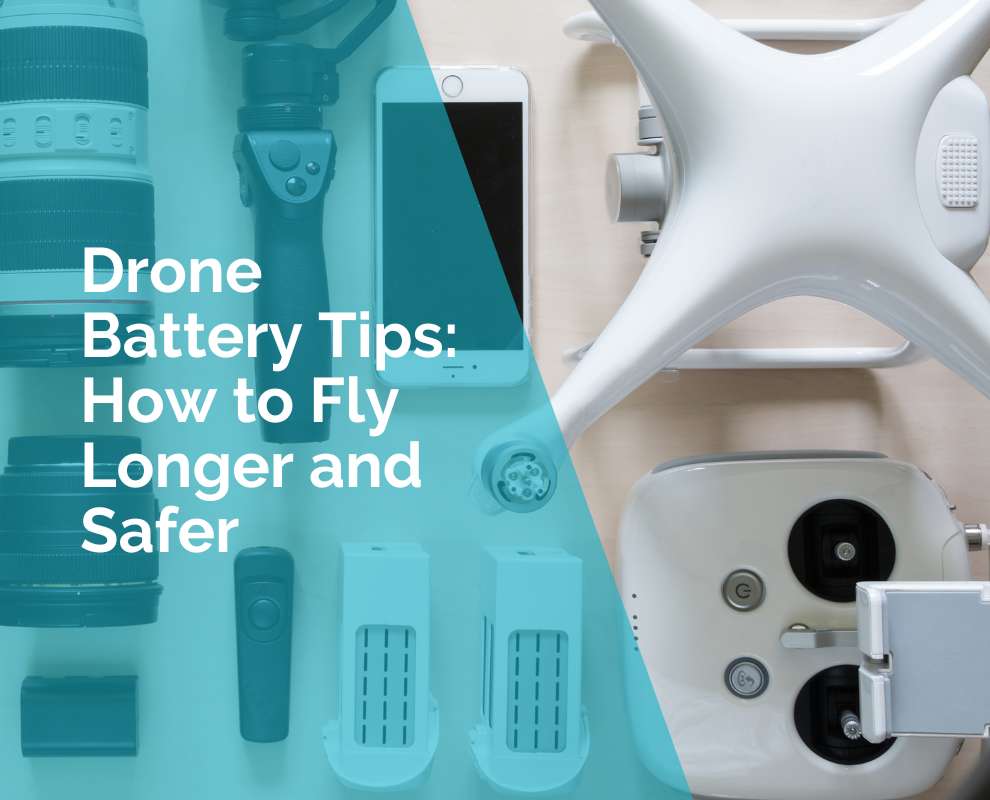
This one’s a no-brainer. Most drones only give you about 20–30 minutes of flight time per battery (and less if it’s windy or you’re filming 4K). Having at least two extras means you’re not grounded the moment the light gets good. It’s the simplest way to double or triple your flying time without upgrading your drone.
Spare batteries also help you stay flexible when conditions change. Maybe the wind drops, the clouds part, or you find a shot you didn’t plan for. With extra power on hand, you don’t have to choose between saving battery or capturing the moment. Bonus: fewer panicked landings.
Just don’t forget proper storage and rotation. Use a battery-safe bag, label your batteries, and avoid always using the same one first. You can explore spare batteries and charging hubs here.
- Average beginner kit: 2–3 batteries
- Use a multi-charger to prep efficiently
- Keep batteries at 40–60% when storing for more than a week
Pro Tip: Rotate battery use to extend lifespan — don’t always drain the same one first.
2. ND Filters (Neutral Density Filters)
ND filters are like sunglasses for your drone. They reduce light entering the lens so you can use slower shutter speeds or wider apertures, which results in smoother footage and better contrast. Without them, your shots may look overexposed or jittery in bright daylight.
They’re especially handy when flying near reflective surfaces like water or snow. You can reduce harsh glare and keep your colours more balanced. If you’re filming at golden hour or midday, ND filters give you much more control over motion blur and exposure.
Start with a basic 3-pack (ND8, ND16, ND32). They’re small, easy to install, and will immediately improve your results. Many beginner pilots are surprised by how much better their footage looks after using ND filters just once.
- ND8: Ideal for early morning and cloudy days
- ND16: Perfect for bright daylight
- ND32: Needed for midday sun or filming around water
Pro Tip: Pair ND filters with Auto White Balance off for more consistent colour across clips.
3. Landing Pad
A landing pad might seem unnecessary — until you try taking off from sand or tall grass. A landing pad gives your drone a clean, flat surface, reducing the risk of debris damaging sensors or being sucked into your motors.
For beginners, a landing pad is also a helpful visual target. It makes manual landings more accurate and helps your Return-to-Home function work more reliably. It also keeps your drone from tipping over on uneven ground.
Look for a folding pad that packs small in your drone bag. Some even come with ground stakes for windy conditions. Once you use one, you’ll wonder why you ever launched without it.
- Reduces sensor errors and gimbal damage
- Improves takeoff and landing on sand, dirt, or grass
- Makes you look more pro (and protects your gear)
Pro Tip: Pick a brightly coloured pad for better visibility in low light or bushy terrain.
4. Carry Case or Backpack
If you’re flying anywhere beyond your backyard, a good carry case or backpack is a lifesaver. It protects your gear from drops, rain, dust, and bumps while keeping everything organised and easy to access. You don’t want to throw your drone in a tote bag with your snacks and hope for the best.
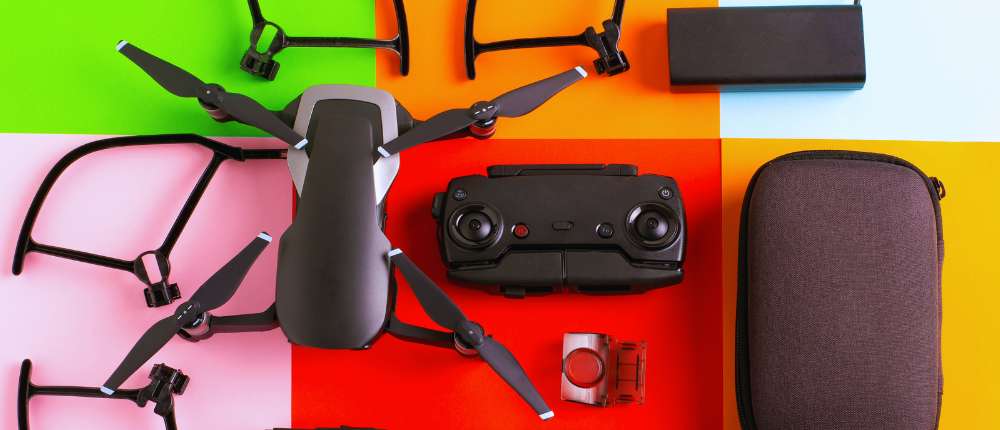
The right case will have foam inserts or padded compartments to keep your drone, controller, batteries, and filters from knocking into each other. Many also include dedicated pockets for SD cards, charging cables, and even landing pads.
If you’re heading out on a walk, hike, or beach mission, a backpack-style carrier with water-resistant zippers and shoulder support is ideal. Some even have built-in rain covers — helpful if the weather turns while you’re chasing a shot.
- Protects your drone and accessories from damage
- Helps you stay organised and avoid forgetting key items
- Look for water resistance, padded inserts, and expandable compartments
Pro Tip: Choose a case that fits your model exactly — too much space can lead to impact damage during transit.
5. Propeller Guards (For Indoor or Tight Flying)
Propeller guards are a simple but underrated accessory, especially for beginners. They add a physical barrier around your spinning props, which can help prevent crashes, protect your drone’s motors, and even keep people and pets safe.
They’re particularly useful when flying indoors, in tight spaces, or around trees. Even experienced pilots clip things sometimes. Guards give you an extra layer of forgiveness while you’re still building your confidence and reaction time.
They do add a bit of weight and reduce aerodynamics, so they’re not ideal in wind. But for learning to hover, navigate obstacles, or fly low and slow, they’re worth having in your kit.
- Helps prevent prop damage in collisions
- Best for training, indoor flights, or close-quarter manoeuvres
- Easy to snap on/off and often foldable for transport
Pro Tip: Remove prop guards when flying in wind or open spaces to maintain better flight stability and battery life.
6. MicroSD Cards (Fast & Reliable)
Your footage is only as good as the card it’s stored on. A slow or low-quality MicroSD card can cause stuttered video, failed recordings, or even corrupted files. Not what you want after nailing the perfect sunrise orbit.
For most drones, you need a UHS Speed Class 3 (U3) card — these handle 4K video and high frame rates without breaking a sweat. Look for trusted brands like SanDisk or Lexar, and avoid bargain-bin cards with too-good-to-be-true prices.
Always format your card in the drone before use to clear leftover files and optimise performance. Carry a couple of backups in your case — they weigh nothing and take up barely any space, but can save your shoot.
- Use U3-rated cards with at least 64GB capacity for 4K recording
- Format regularly to avoid file errors
- Carry extras to swap out if you run out of space mid-flight
Pro Tip: Label each card so you know which has been used, and back up footage to your device after each session.
7. Lens Cloth & Silica Gel Packs
These are the unsung heroes of every drone pilot’s bag. A lens cloth keeps your camera glass clean and clear — essential when flying near water, in dusty locations, or just dealing with smudges from fingers or fog.
Silica gel packs are even sneakier in their importance. They absorb moisture inside your drone bag, protecting your batteries, camera, and electronics from hidden humidity damage. Crucial if you’re flying near the coast, in rain-prone areas, or on early morning missions with dew.
Both take up virtually no space but make a huge difference. And yes — the silica packs that come in your gear boxes? Don’t throw them out. Reuse and rotate them often.
- Lens cloth: remove fingerprints, fog, salt spray, or dust
- Silica packs: prevent corrosion and electronic damage from moisture
- Store extras in every drone bag or pocket
Pro Tip: Replace silica packs every few months — or refresh them by drying in the oven at low heat if reusable.
FAQs About Best Accessories for Your Drone
Do I really need to buy drone accessories right away?
Not all of them — but a few key ones will make flying easier, safer, and less stressful. Start with spare batteries, a landing pad, and a proper carry case. Add ND filters and SD cards as your confidence (and creativity) grows.
How many spare batteries should I get as a beginner?
Aim for at least two, ideally three. This gives you around 60–90 minutes of flight time in total, which is perfect for practice sessions or short adventures. Most pilots agree: one battery is never enough.
Are ND filters really necessary for beginners?
They’re not essential, but they’ll instantly improve your footage — especially in bright conditions. Think of them as a simple upgrade that makes your videos look more cinematic, even if you’re still learning camera settings.
What’s the purpose of a landing pad?
It creates a clean, flat surface for takeoff and landing. This protects your drone’s gimbal and sensors from dust, grass, sand, or gravel — and helps the drone land more accurately with Return-to-Home features.
Can I just use any backpack for my drone?
Technically, yes — but you risk damaging your gear. A drone-specific carry case has padded compartments, water resistance, and storage for batteries, propellers, and filters. It keeps everything organised and safer.
Are propeller guards worth using?
Yes, especially if you’re flying indoors, learning basic manoeuvres, or practicing in tight spaces. They help prevent damage during minor crashes and give beginners more confidence. Just remove them in windy conditions.
What type of MicroSD card should I buy for my drone?
Choose a UHS Speed Class 3 (U3) card — it’s fast enough for 4K video and high frame rates. Go for 64GB or higher if you plan to shoot a lot of video. Trusted brands like SanDisk or Lexar are ideal.
Why do I need silica gel packs in my drone case?
They absorb moisture and protect your electronics from humidity damage — especially important if you fly near the coast or in damp conditions. Replace them regularly or dry them out if reusable.
Is there an accessory that helps with visibility or flight tracking?
Yes — drone tracker tags or small GPS beacons (not covered in this guide but available separately) can help if you’re flying in remote areas. But even a bright landing pad can help you keep visual contact during landing.
Where can I find a reliable list of beginner drone accessories?
Right here: visit our curated Drones & Accessories shop for beginner-friendly gear we actually recommend — no fluff, just the essentials that help you fly better.
 ***
***
Ivana Katz is a Sydney based website designer and travel blogger. Having her own business has given her the freedom to explore the world. She believes travel is the best teacher and her passion for adventure, writing and photography has taken her and her son to some amazing places, including Hawaii, Canada, Fiji, Greece and Czech Republic. Ivana’s favourite thing about travelling is learning, discovering hidden gems and creating memories. She loves nothing more than inspiring other women to chase their dreams and explore the world with their families and friends.