When Are You Ready to Fly Over Water? (A Beginner’s Milestone Guide)
Flying your drone over water is a thrilling experience – those shimmering reflections, sweeping coastline shots, and epic seascapes can turn an average clip into cinematic gold. But it’s also a high-stakes flight path. Unlike grass or sand, water is unforgiving. One wrong move could mean losing your drone for good.
That’s why flying over water is often considered a major milestone in a drone pilot’s journey. This guide helps you decide when you’re ready—and how to prepare for it like a pro.
Why Flying Over Water Is a Big Deal
Water doesn’t offer second chances. If your drone crashes on land, there’s a good chance it can be recovered—and sometimes even repaired. Over water, unless it’s floating or you’ve got a fishing net ready, it’s likely gone forever.
Flying over water challenges you in three key ways:
- Judgement: You need to gauge distance and battery levels precisely—there are no “just land it here” options.
- Confidence: Even experienced pilots get nervous around water. The psychological pressure is real.
- Skill: Wind behaves differently near coastlines and over open water, and reflections can trick your visual sensors.
Signs You’re Ready to Fly Over Water
You’re Comfortable Flying in Open Spaces
If you’ve only flown in confined backyards, it’s important to get used to wide-open environments first. Large parks, fields, and beaches are ideal places to:
- Practise orientation and distance awareness
- Get used to variable wind conditions, especially gusts
- Learn how your drone responds in open areas without nearby visual reference points
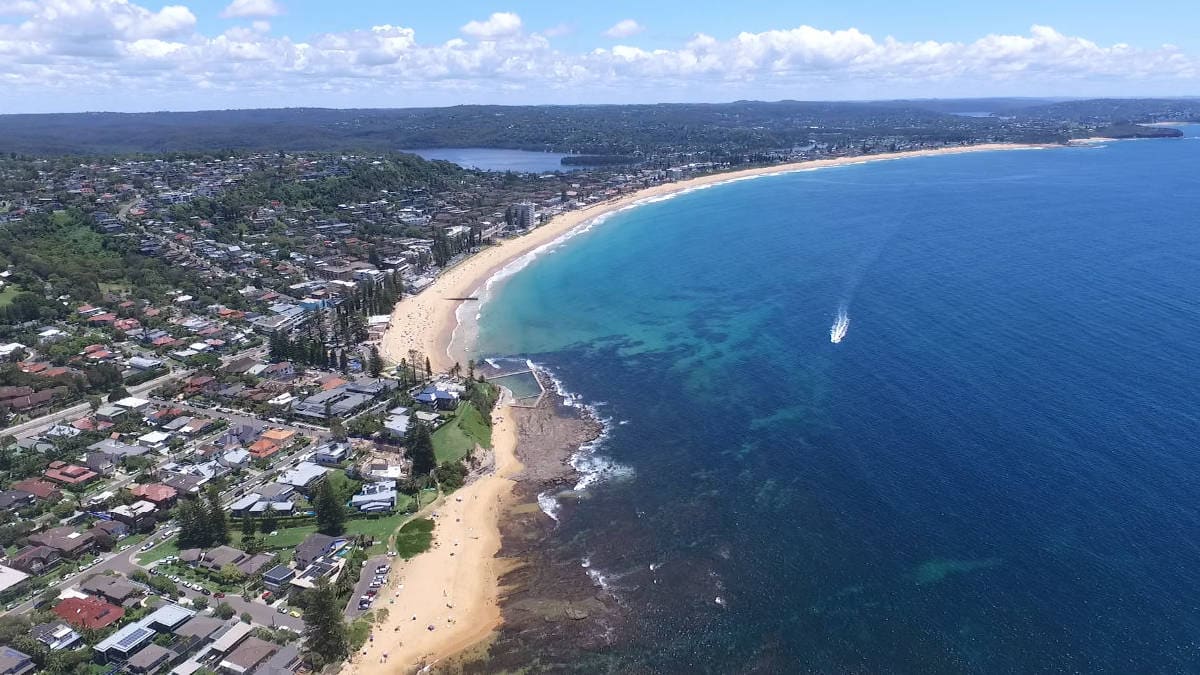
If you’ve successfully flown along the edge of a large beach like Narrabeen Beach, keeping your drone within visual line-of-sight while managing wind, you’re getting close.
Places for Beginner Drone Pilots to Practise
You Understand Your Drone’s Range and Battery Limits
Water flights often require greater distance than inland flights. Whether you’re launching from a jetty or flying parallel to the coastline, there’s less margin for error. You need to know:
- Your drone’s maximum effective range (in ideal vs real conditions)
- How to calculate return time, factoring in headwinds
- When to return: Aim to begin flying back at 40–50% battery, depending on conditions
If your DJI Mini 2 SE gets 25 minutes of flight time, limit your water flights to 8–9 minutes out and return before 50% battery to avoid emergency landings.
You’re Confident with Manual Controls
GPS helps stabilise your drone, but over water or near cliffs and open bays, signal can drop or drift. You must be able to:
- Control the drone manually without GPS assistance
- Use ATTI mode if your drone offers it
- Recover from sudden gusts or magnetic interference
Some pilots lose GPS lock near rocky coastlines. A confident pilot can quickly adjust pitch, throttle, and yaw to regain stable flight.
Improve Your Drone Flying Skills
Skills Every Drone Pilot Should Master
You Know How to Read the Weather
Weather is your friend or your greatest foe when flying over water. Conditions change rapidly at the coast, and water bodies often create microclimates.
- Spot offshore winds—one of the leading causes of drone loss
- Read tide and swell data—especially for rocky shorelines
- Check cloud cover and humidity, which can affect visibility and sensors
A calm morning forecast can still bring sudden gusts at the beach. Understanding marine wind reports is essential.
How to Read the Weather Before You Fly
You’ve Tested Camera Angles and Gimbal Control
Over water, smooth footage is key. Jerky movements or sudden pans can disorient viewers—or worse, cause you to over-correct mid-flight. Practise:
- Reveal shots over dunes or cliffs
- Straight-line tracking along water’s edge
- Cinematic orbits of ocean features like rocks or boats
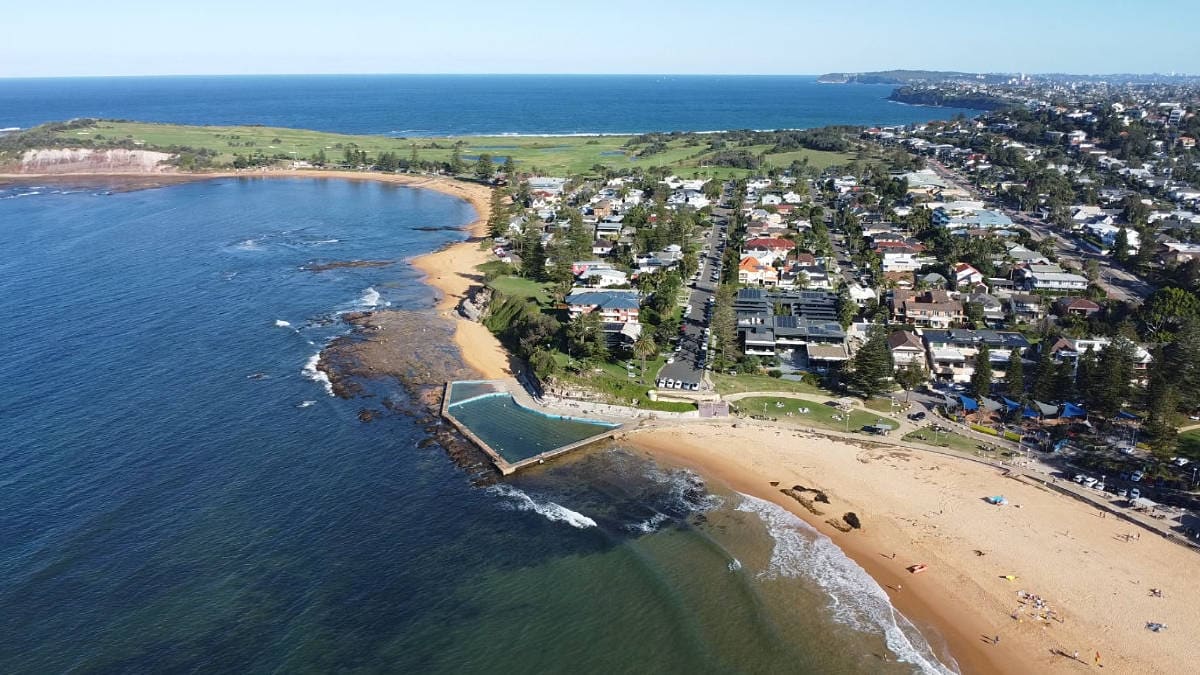
For example at places such as Clontarf Beach, you can orbit a moored boat or skim above the water safely.
How to Take Stunning Drone Photos
Gear Tips for Over-Water Flying
Here’s what to prep before take-off:
- ND filters for reducing glare
- Floating landing pad if launching from a boat or jetty
- Waterproof drone skins or wraps for splash protection
- Drone fishing line float (optional, but helpful)
Bonus Tip: Keep a towel and silica gel packs in your drone bag – just in case.
Even if you’re flying cautiously, sea spray, mist, or an unexpected splashdown can expose your drone to moisture. That’s where a quick-dry microfibre towel and silica gel packs come in handy.
Towel: Use a soft, lint-free microfibre towel to gently wipe down your drone, especially around the motors, gimbal, and battery compartment. This is your first line of defence if your drone gets damp during take-off, landing, or retrieval.
Silica Gel Packs: These small desiccant packets absorb moisture. After wiping down your drone, place it inside an airtight container or sealed bag with several silica gel packs. Leave it there for at least 24–48 hours. This drying method is far more effective than the old “put it in rice” trick and helps prevent internal corrosion or short-circuiting.
Pro Tip: You can buy silica gel packs online or reuse the ones that come with electronics and shoe boxes. Just make sure they’re still active (they’ll feel dry and may change colour if moisture is absorbed).
Best Drone Accessories for Beginners
Shop Drones & Accessories
Pro Tips Before You Launch
- Scout your spot: Use Google Maps or drone forums to preview the area
- Use apps like OpenSky or UAV Forecast: Check for restrictions and weather
- Stick to early mornings or golden hour: Softer light and calmer conditions
- Stay calm: Panicking leads to mistakes—confidence is key
What to Do If You Crash Over Water
- Cut power immediately to avoid electrical damage
- Retrieve the drone quickly if possible
- Dry thoroughly and use silica gel (not rice!)
- Don’t power it back on until fully dry
What to Do If You Crash Your Drone
Still Nervous? Try These First…
Not quite ready for deep water? Try this:
- Stay a few metres offshore and keep line-of-sight
- Fly over tide pools or shallow sandbars at low tide
- Practise at calm bays like Little Manly Beach
Avoid:
- Flying far out without a strong return plan
- High-humidity or high-wind conditions
- Launching from boats if you haven’t mastered manual recovery
Final Thoughts: It’s Not Just About the Shot
Water flying is a skill, not a gamble. When you approach it with the right preparation, it becomes one of the most rewarding chapters in your drone journey.
You’ll know you’re ready when:
- You’re calm, not panicked
- You’ve flown long enough to trust your instincts
- You’re not guessing—you’re planning
And when you bring those sparkling ocean shots home? Worth every bit of practice.
Photo Gallery


FAQs About Flying Over Water
Why is flying over water riskier than land?
Water offers no safe landing zone. If your battery fails, GPS drifts, or you misjudge distance, there’s no margin for error — and no drone recovery if it sinks.
Do I need special settings when flying over water?
Yes. Turn off Visual Positioning Sensors (VPS) on some drones — they can get confused by water reflections. Always double-check your Return-to-Home (RTH) height so you don’t clip trees or cliffs on the way back.
Should I use propeller guards over water?
No. They add weight and reduce stability in wind. Over water, you want minimal drag and maximum control. Instead, focus on smooth inputs and practice beforehand.
How far out is too far to fly over water?
Stay within line of sight and never go beyond the halfway point of your battery range. If you’re unsure how your drone handles distance or wind, keep it close to shore.
What’s the best weather for flying over water?
Calm, clear days with minimal wind. Avoid gusty conditions, strong coastal breezes, and heavy humidity. Use apps like UAV Forecast to check real-time conditions.
Is saltwater more dangerous for drones than freshwater?
Yes. Salt is highly corrosive — if your drone even gets misted, it can damage internals. Always wipe your drone down after a coastal flight and dry it thoroughly.
Should I practice over land before attempting water flights?
Absolutely. Master flying low and smooth over flat ground first. Build muscle memory and confidence with altitude holds, camera tilts, and Return-to-Home use before adding water to the equation.
What gear should I bring when flying over water?
Bring extra batteries, a landing pad, a lens cloth (for sea spray), and silica gel packs in your case. A towel and backup SD card don’t hurt either.
What should I do if I crash into water?
Turn everything off immediately. Retrieve the drone if possible (use gloves or a net), dry it, and pack it in silica gel for 48 hours. Don’t turn it back on until completely dry. More tips are in our drone crash survival guide.
How do I know I’m truly ready to fly over water?
If you can confidently handle wind, low-altitude hovering, Return-to-Home adjustments, and flying without panic, you’re probably ready. Still unsure? Read the full guide again, then try a lake or calm river before tackling open ocean.
 ***
***
Ivana Katz is a Sydney based website designer and travel blogger. Having her own business has given her the freedom to explore the world. She believes travel is the best teacher and her passion for adventure, writing and photography has taken her and her son to some amazing places, including Hawaii, Canada, Fiji, Greece and Czech Republic. Ivana’s favourite thing about travelling is learning, discovering hidden gems and creating memories. She loves nothing more than inspiring other women to chase their dreams and explore the world with their families and friends.